Different Ways to Keep Pets Warm in the Winter
5 Ways to Keep Your Dog Warm This Winter
During the winter, a dog can be an excellent companion. While many dogs enjoy the winter, there are a few things to remember. One of them is keeping your dog warm during the winter. A healthy, thick fur coat will keep them warm, but any pet can catch a cold and get frost bites, sniffles, flu, or pneumonia. Another common occurrence is hypothermia in dogs, which occurs when your pet’s body temperature drops due to spending too much time outside in the cold, especially true if your dog already has a heart condition or diabetes.
Even if your dog has a thick, heavy coat, it may get cold in the winter. Pets are just as prone as their owners to frostbite (frozen skin and tissue) and hypothermia (low body temperature).
However, protecting your dog from the elements is simple. Many of the same precautions you take to protect yourself will keep your best friend safe and warm.
Instead of long walks, they should play indoor games to warm up their bodies.
Dogs require daily exercise in the winter, but it is best to be cautious during this time. Shorter walks and indoor playtime are recommended, especially early in the morning or late at night when temperatures are at their lowest. It will ensure that they get their daily dose of exercise and fun while staying warm during the winter. Even though the average body temperature of a dog is higher than that of a human, it is still critical to keep your dog protected from harsh weather conditions.
Give Them Dog Clothes
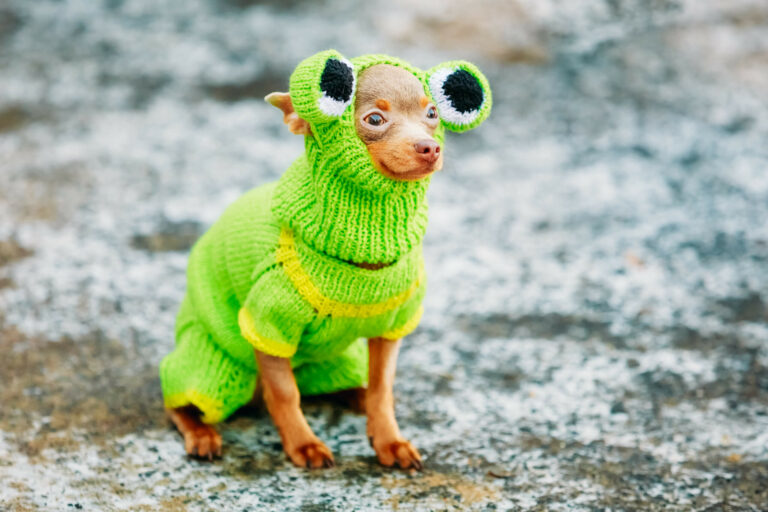
People can stay warm far beyond our natural ability because they manufacture warmer clothing. They do, however, make warm clothing for dogs.
Some dog owners may scoff at dressing up their pets, but it can benefit some breeds.
Greyhounds, for example, have minimal fur, and there isn’t a lot of insulation there. Put on a sweater, and your dog will be much warmer.
You’ll never be able to replicate a Malamute’s thick coat, but your dog might appreciate the extra warmth a sweater or jacket provides.
After all, would you wear your underwear or a heavy winter coat outside in the snow?
However, some clothes are more valuable than others. Choose something waterproof if it is snowy or damp where you live. They make a variety of waterproof dog jackets and shoes.
In dry climates, your dog may be fine with a sweater. Just make sure it doesn’t get too filthy. Some dog clothes are created without consideration for functionality, and avoid wearing these outfits.
Occasionally, doubling up makes sense. For added warmth, layer a sweater underneath a waterproof jacket.
Wipe Down Their Paws
Ice, snow, salt, and potentially toxic chemicals such as antifreeze and de-icers can accumulate on your dog’s feet, and they may swallow the poisons if they lick them. Antifreeze, in particular, tastes delicious but is lethal.
When they come inside, wipe their paws with a towel. Check their pads for injuries regularly. Ice and snow can cause bleeding and painful cracks. To prevent ice buildup, trim the hair between their toes.
It is critical to consider purchasing shoes for your dog if you want them to stay warm. Snowshoes for dogs come in a variety of styles.
It makes little difference in which pair you buy; anything is preferable to nothing. However, looking for a functional and long-lasting pair would be best.
Before attempting any slippery steps, give your dog plenty of practice wearing the shoes indoors. Many dogs can become accustomed to shoes, but they will most likely dislike them first. Starting them when they are puppies is the best option because puppies are far more adaptable than adults.
Aside from the fact that it’s cold, there are some other reasons you should consider adding shoes to your dog’s winter wardrobe.
Many areas use rock salt during the winter months. Salt is required to prevent ice formation on roadways and sidewalks and helps the snow melt faster.
However, it is not suitable for our dog’s feet, and it can dehydrate them and cause them to crack, especially when combined with cold weather. Some dogs even require veterinary assistance after walking too far on a salted path.
This salt is also harmful to pets. It is unpleasant to walk on, prompting many pets to lick it off. Ingesting this salt will quickly make your dog sick.
Even common table salt can be toxic and cause salt toxicity.
After each outing, wipe down your dog’s paws and shoes. Water should be sufficient to remove the majority of the salt. Many people keep wipes in their bags during winter walks to clean their dog’s feet quickly.
Make Sure Your Dog Has a Warm Place to Stay
If your dog spends significant time outside, even on lovely days, make sure he has a shelter, such as a dog igloo. In the winter, add an outdoor heated bed or pad (some are even igloo-shaped!) to keep your dog warm—and, yes, you can leave them on 24/7 as long as the product is installed according to the instructions, so you don’t have to worry about forgetting to turn them off or on. Remember that putting extra blankets on the dog bed can trap moisture and make your dog cold. The heated bed is more than enough!
If the temperatures become too cold, you can use a safe heater to keep in the dog house or near it. If you don’t want to do that, you can put a heating pad beneath the layers of blankets to keep a heat source close to the dog.
Some puppies who are sensitive to cold temperatures may benefit from heated dog beds. You can also experiment with more portable heating options to warm your dog’s favorite sleeping spots.
Please consult your veterinarian before using any heating product to ensure that it is safe and appropriate for your pet—animals who have difficulty getting up in heated dog beds. Your veterinarian can advise you on how to keep your dog safe and comfortable.
Make Sure They Have Food
When your dog is well-fed, its body will naturally stay a little warmer than when they haven’t eaten enough. You can give them healthy dog treats between meals to keep them chewing and active. You can also warm up the food before serving it to your dog.
Your dog may be unable to keep himself warm if he is hungry or thirsty.
Many dogs require more calories during the winter to compensate for the energy they expend to stay warm.
On a cold day, your dog’s body heat is his best friend. If they cannot produce it properly, no sweaters or straw will keep them warm!
Dogs without access to fresh water may be tempted to eat snow, which lowers their overall body temperature. People may understand that eating snow while trying to stay warm is terrible, but you won’t have much luck explaining this to your dog.
Remember that in cold weather, water freezes. Your dog’s water is also likely to freeze.
If your dog spends much time outside, you may need a heated water bowl. An hour without water is a good rule of thumb for your dog. If your dog is left outside for more than an hour, think about a solution for its water bowl.
How Cold is Too Cold for Dogs?
Even with all of the precautions outlined in this article, your dog may not be able to stay warm indefinitely. If it gets too cold outside, you should bring your dog inside.
If you’re cold outside, your dog is most likely cold. Any temperature potentially hazardous to humans can also be hazardous to dogs. Keep an eye on the weather, particularly warnings about dangerously cold temperatures.
Keep an eye out for any warning signs in your dog. A dog shivering and refusing to leave the kennel is most likely cold. Otherwise, obedient dogs will frequently stop obeying commands entirely.
Your dog may appear tired or disinterested in what is happening around them.
Frostbite is a significant concern for dogs; they sometimes dress better than we do. Even if your dog is dressed warmly, its ears, nose, and tail will be exposed, and they still need to make tail pouches.
Frostbite can occur when your dog’s body struggles to maintain proper circulation due to cold weather. It usually happens when your dog is left outside for an extended time, and short periods outside, followed by warming periods, are usually not a problem.
Frostbite extremity is a severe condition that requires immediate veterinary attention and cannot always be saved. Because dead tissue can cause infections, the dog may require a portion of its tail to be amputated.
KEY TAKEAWAY
Not all dogs can tolerate the cold. Huskies, German Shepherds, and Saint Bernards are some cold-weather dogs that can withstand the cold of winter, but weiner dogs, bulldogs, and other thin-coated puppies will not survive the harshness of winter.
Following some tips and tricks mentioned above can keep your dog quite comfortable during the cold weather. Above all, keep an eye on your dog, look for signs of coldness, and respond appropriately. Make keeping your dog healthy a top priority this winter.