Your Florida Pet Poison Prevention Guide for Home, Yard and Beach
March is National Pet Poison Prevention Month, and in South Florida, everyday life brings a unique mix of household, garden, beach, and storm-season risks. A curious dog in the yard, a cat exploring a countertop, or a quick boat trip can turn hazardous fast.
Our goal is to help you prevent emergencies, recognize problems early, and know what to do if an exposure occurs. We also explain how our team triages by phone, when to go directly to an emergency hospital, and how regular wellness care lowers your risk all year.
If you ever feel unsure, call us at 954-425-0013. A quick conversation can save time, stress, and money.
Top Florida plants and landscaping risks
Many South Florida plants are stunning and dangerous to pets. If you are landscaping, double-check plant names before buying, and consider placing toxic species behind secure fencing or replacing them entirely.
High-risk plants to avoid:
- Sago palm and cycads: All parts are toxic, especially the seeds. Ingestion can cause severe liver failure.
- Oleander: Even small amounts can trigger life-threatening heart rhythm problems.
- Azalea and rhododendron: Can cause vomiting, drooling, and abnormal heart rhythms.
- Dieffenbachia and philodendron: Oral irritation, drooling, and swelling can occur.
- Lantana: May lead to gastrointestinal upset and liver issues in dogs.
- Yesterday-today-and-tomorrow (Brunfelsia): Known to cause seizures in dogs.
Yard care also matters. Fertilizers, cocoa mulch, snail bait, and weed-and-feed products can cause vomiting, tremors, or worse. If you treat your lawn, keep pets off treated areas until fully dry and follow label reentry times closely. Store products in latched containers away from curious noses.
Common household toxins and safer swaps
Kitchens, bathrooms, and nightstands hold a surprising number of hazards:
- Xylitol: Found in sugar-free gum, candies, some peanut butters, baked goods, and dental products. In dogs, it can cause a rapid insulin spike, dangerous hypoglycemia, and liver injury.
- Rodenticides: Anticoagulant and neurotoxic baits can be deadly. Secondary exposure can occur if a pet eats a poisoned rodent.
- Essential oils: Tea tree, eucalyptus, wintergreen, and clove are particularly concerning. Diffusers can expose cats through inhalation and grooming.
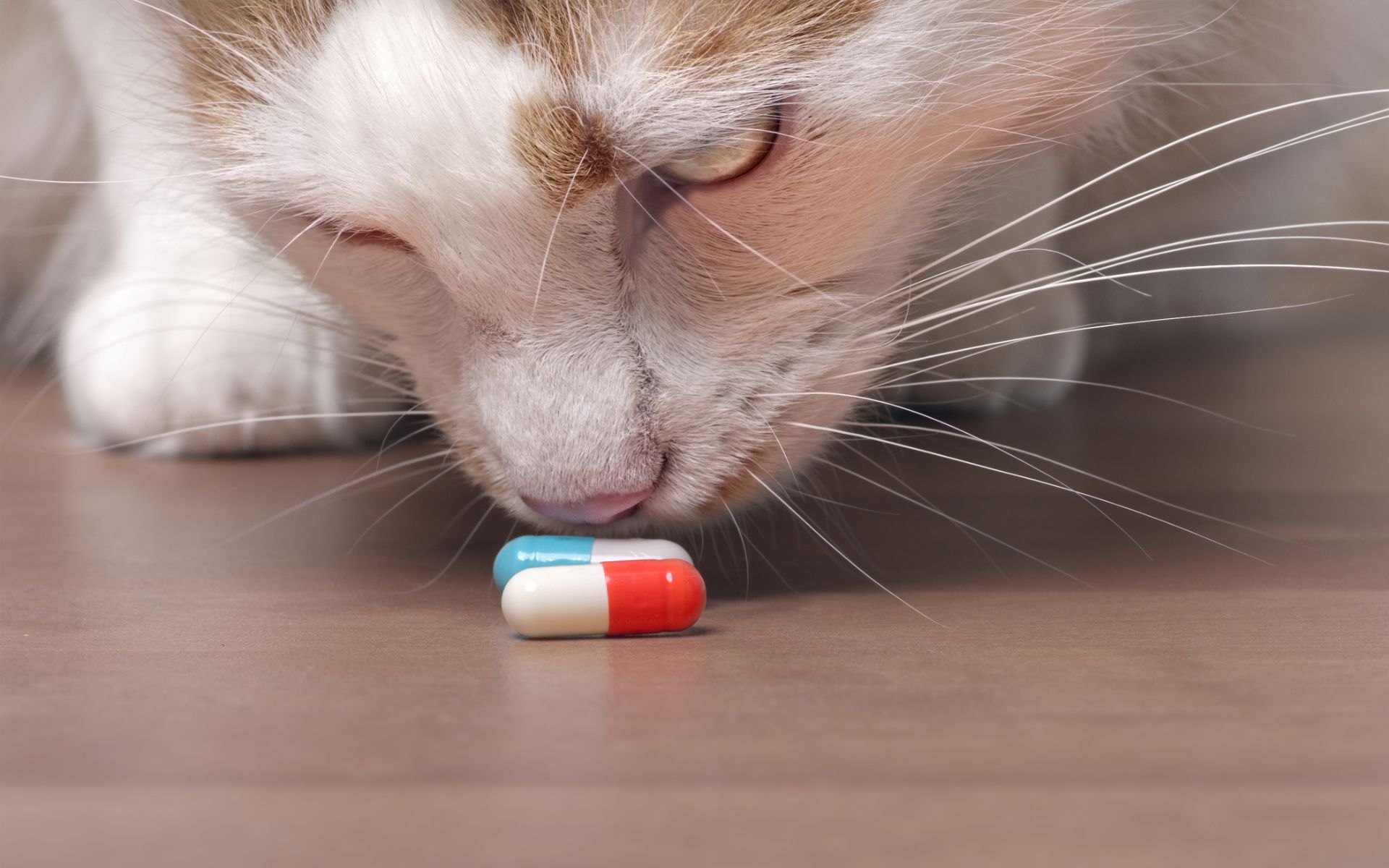
- Human medications: Pain relievers, antidepressants, sleep aids, and ADHD medications are frequent culprits. Never medicate a pet without veterinary guidance.
- Spring cleaners: Concentrates containing bleach, ammonia, quaternary ammonium compounds, and drain or oven cleaners can burn tissues or cause respiratory irritation.
Safer alternatives:
- Choose pet-safe, fragrance-free cleaners and dilute properly.
- Use snap traps in tamper-resistant boxes instead of rodent baits.
- Skip essential oil diffusers around cats and small pets; choose pet-safe pheromone products for calming instead.
- Select peanut butters that list only peanuts and salt, avoiding any sugar alcohols.
Beach and boating exposures you might not expect
The coast is part of life here, and that brings unique issues:
- Blue-green algae (cyanobacteria): Blooms can occur in warm, stagnant fresh or brackish water. Ingestion or even contact can be dangerous. Avoid discolored or foul-smelling water and rinse pets after any natural-water swim.
- Saltwater: Drinking seawater can cause vomiting, diarrhea, and dangerous salt imbalances. Offer fresh water before, during, and after play.
- Ingested sand: Dogs that mouth toys covered in sand or obsessively dig can swallow enough to cause intestinal obstruction.
- Fishing hooks and lines: Keep tackle boxes closed, cut line away from the beach when possible, and never tug a hook out of a lip or paw at home.
- Sunscreen and insect repellent: Many human products contain salicylates, zinc oxide, or DEET, which can be toxic if licked. Use a pet-specific sunscreen on ear tips and noses when needed, and wash hands after applying your own products.
What to do immediately if exposure occurs
Act fast and do not wait for symptoms. Call us at 954-425-0013 for triage. If we are unavailable, contact an emergency hospital or a pet poison control hotline. Have the product label or plant name ready, along with your pet’s weight and the time and amount of exposure.
Do not induce vomiting unless a veterinarian instructs you. Caustic substances and petroleum products can cause more harm if vomited. If your pet is seizing, very lethargic, struggling to breathe, or has swallowed a battery, sharp object, or fishing hook, go directly to the nearest emergency hospital. For mild exposures caught early, we can often guide you by phone and arrange prompt care.
Preventive strategies and labeling checklists
Small habits prevent big emergencies. Build these into your routine:
- Store all medicines, vitamins, edibles, essential oils, and cleaners in closed cabinets. Keep backpacks and purses off the floor.
- Photograph labels of lawn, garden, and pest-control products you use. Keep a folder on your phone for quick reference during triage calls.
- Walk your yard monthly to identify and remove toxic plants or dropped sago palm seeds. Secure compost bins and trash lids.
- Pack a beach bag with fresh water, a collapsible bowl, a pet-safe sunscreen, a tick comb, and a small towel for rinsing and drying.
- Prepare a hurricane kit that includes a week of pet food, water, prescription medications, any supplements, a copy of medical records, a crate or carrier, leashes, and pet-specific first-aid items. Ask us which over-the-counter options are safe for your pet.
The role of annual exams in prevention
Annual physical examinations give us a chance to spot early changes in behavior, appetite, liver and kidney function, or skin and ear health that can magnify poisoning risks. We review your home and outdoor routines, go over safe parasite prevention, and update vaccines. If travel or a busy season creates stress for your pet, proactive planning reduces the risk of accidents and exposures.
For anxious pets or busy families, our house call team can perform follow-up exams and environmental assessments in your home. We look at yard hazards, pool and gate safety, plants, and storage practices, then tailor practical recommendations that fit your space and your pet’s habits.
If you want a convenient place to start, learn more about annual pet examinations and preventive care options on our site. You can also explore our mobile option for veterinary housecall services if at-home care would help your pet relax.
How we triage by phone, and when to head to the ER
When you call, we will ask about what was ingested or contacted, the time of exposure, your pet’s weight, current medications, and symptoms. Based on risk, we may:
- Advise home monitoring with specific signs to watch for and a follow-up plan.
- Recommend a same-day in-clinic or mobile visit for decontamination, bloodwork, or supportive care.
- Direct you to the nearest emergency hospital if your pet needs immediate, continuous monitoring or advanced treatment.
Choose the ER right away for breathing difficulty, repeated vomiting with weakness, uncontrolled bleeding, seizures, severe lethargy or collapse, known toxin ingestion with concerning signs, or swallowed sharp objects. If in doubt, call us and we will guide you.
FAQs about Pet Poison Prevention
- What should I do in an animal emergency? Stay calm, secure your pet, and call us or the nearest emergency hospital. Bring product labels, plant samples or photos, and your pet’s current medications. Do not give food, milk, or induce vomiting unless instructed by a veterinarian.
- Why are emergency vet visits so expensive? Emergency hospitals operate 24/7 with on-call specialists, advanced diagnostics, continuous nursing, and rapid treatments. That readiness increases costs, but it also saves lives. Preventive care and early triage often reduce the need for intensive services.
- How long does the ER take? It varies by case severity and caseload. Triage prioritizes life-threatening conditions first, so stable patients may wait. Bring a phone charger, your ID, and patience; updates are given as soon as possible.
- What should I bring to an emergency vet? A photo of the product label or plant, any packaging, your pet’s medical history and medications, vaccination records, and a secure leash or carrier.
- How can I spend less at the vet? Preventive care, safe storage habits, early phone triage, and timely annual exams typically lower costs over time. Avoid home remedies that can worsen injuries. Ask us about practical, stepwise treatment plans when budgets are tight.
Gentle next steps
A few changes today can prevent a crisis tomorrow. Save our number now: 954-425-0013. If your pet is due, schedule a spring wellness check so we can review your environment, prevention plan, and hurricane kit together. For low-stress follow-up after, consider our mobile option for veterinary house call services to keep your pet comfortable at home.
Helpful resources on our site:
- Learn about annual pet examinations in Deerfield Beach to keep preventive care on track: https://mvsanimalclinic.com/animal-clinic/
- Prefer care at home? See our mobile veterinary services: https://mvsanimalclinic.com/mobile-veterinary
- Stay current on core protection with our pet vaccines information: https://mvsanimalclinic.com/free-vaccines
- Explore integrative options like acupuncture for pets for comfort during recovery: https://mvsanimalclinic.com/acupuncture
We are here to help you protect the pets you love, with compassionate guidance and practical care tailored to life in South Florida.