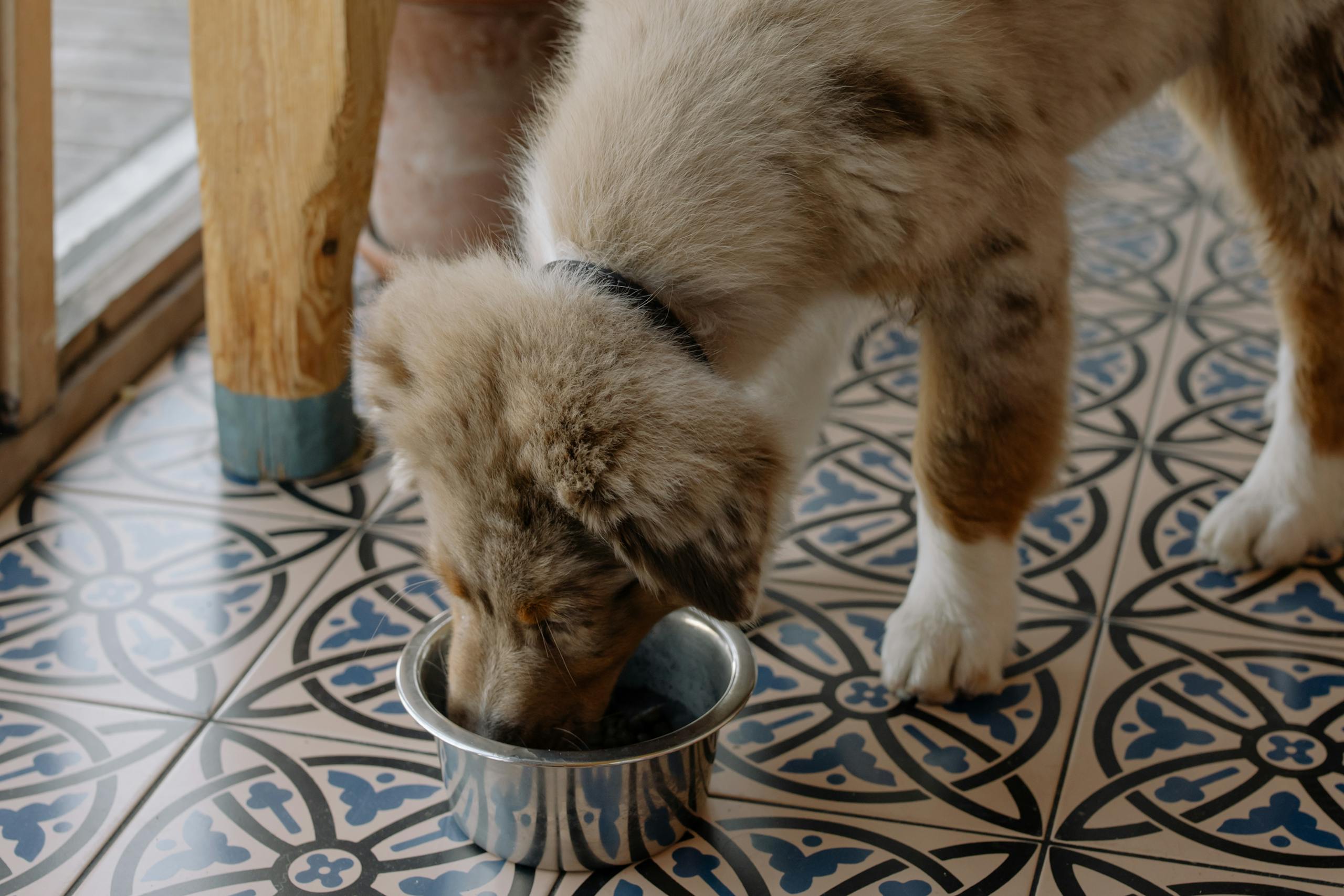
Pet Nutrition: Choosing the Right Diet for Optimal Health
One of the most important aspects of being a responsible pet owner is ensuring your beloved animals receive proper nutrition. A well-balanced diet supports your pet’s overall health and well-being. It also enhances their quality of life and longevity.
Selecting the appropriate diet from the many options available can be overwhelming. This article provides detailed advice on pet nutrition to help you make informed decisions for your furry friends.
Understanding Pet Nutrition
Pet nutrition involves providing animals with a diet that meets their specific needs. It includes an appropriate mix of proteins, carbohydrates, fats, vitamins, and minerals.
Like humans, pets require various nutrients to maintain their health, support their immune system, and prevent diseases. Below are some of the essential parts their diets.
Key Components of a Balanced Pet Diet
- Proteins: Essential for growth, maintenance, and repair of tissues. Proteins are the building blocks of your pet’s body. Incorporate high-quality protein sources, such as chicken, beef, fish, and lamb, in their food.
- Carbohydrates: Provide energy and support digestive health. Carbohydrates should come from wholesome sources like brown rice, sweet potatoes, and oats.
- Fats: Necessary for energy and absorption of fat-soluble vitamins. Healthy fats, such as those from fish oil and flaxseed, can improve coat quality and skin health.
- Vitamins and Minerals: Vital for metabolic functions, bone health, and immune support. Ensure your pet’s diet includes a balanced mix of essential vitamins and minerals.
- Water: Often overlooked, water is crucial for hydration, digestion, and nutrient absorption. Always provide fresh, clean water for your pet.
Best Diet for Dogs
When considering the best diet for dogs, it’s important to focus on their age, breed, activity level, and health issues. Here are some tips:
- Puppies: Require higher protein and fat content to support growth and development. Look for puppy-specific formulas.
- Adult Dogs: Need a balanced diet with appropriate protein and fat levels to maintain energy and health. Consider their activity level; active dogs may need more calories, while inactive dogs may require less.
- Senior Dogs: Often benefit from diets lower in calories but higher in fiber to support digestive health. Senior-specific formulas can help manage age-related health issues.
- Special Needs: Dogs with allergies, digestive issues, or other health conditions may require specialized diets. Consult your veterinarian for tailored recommendations.
Cat Food Recommendations
Cats have unique dietary requirements. Here are some cat food recommendations essential for their health:
- High Protein: Cats are obligate carnivores, i.e., they require a diet high in animal-based proteins. Look for cat food with meat or fish as the main ingredient.
- Taurine: An essential amino acid for cats, taurine supports heart health and vision. Ensure your cat’s food contains adequate taurine levels.
- Moisture Content: Cats often fail to drink enough water. Wet food or adding water to dry food can help maintain their hydration.
- Life Stage: Like dogs, cats have different nutritional needs at various life stages. Kittens need more calories and nutrients, while senior cats may benefit from diets tailored to their aging bodies.
Healthy Pet Diets
Creating healthy pet diets involves more than just choosing the right food. Consider the following tips for optimal pet nutrition:
- Quality Ingredients: Opt for pet foods with high-quality, natural ingredients. Avoid foods with fillers, artificial preservatives, colors, and flavors.
- Portion Control: Overfeeding can lead to obesity and related health issues. Follow feeding guidelines on pet food labels and adjust portions based on your pet’s activity level and weight.
- Regular Feeding Schedule: Establish a consistent feeding routine. It helps with digestion and prevents overeating.
- Treats in Moderation: Treats should be less than 10% of your pet’s daily calorie intake. Choose healthy treats and avoid those with high sugar and fat content.
- Consult Your Veterinarian: Regular check-ups with your vet can help monitor your pet’s health and adjust their diet as needed.
The Importance of Professional Guidance
Given the complexities of pet nutrition, seeking professional guidance is crucial. At MVS Animal Clinic, our dedicated and experienced veterinarians and staff will help you choose the best diet for your pet, ensuring the right balance of nutrients for their optimal health.
Conclusion
Choosing the appropriate diet for your pet is crucial for their health and well-being. By understanding the basics of pet nutrition and considering your pet’s specific needs, you can provide a balanced diet that supports their overall health. Whether you have a dog, cat, or other pet, ensuring they receive the appropriate nutrients will help them live a long, healthy, and happy life.
For more information or to schedule a dietary consultation, visit MVS Animal Clinic today. Our team is here to help you make the best nutritional choices for your beloved pets.