Understanding Pet Vaccinations
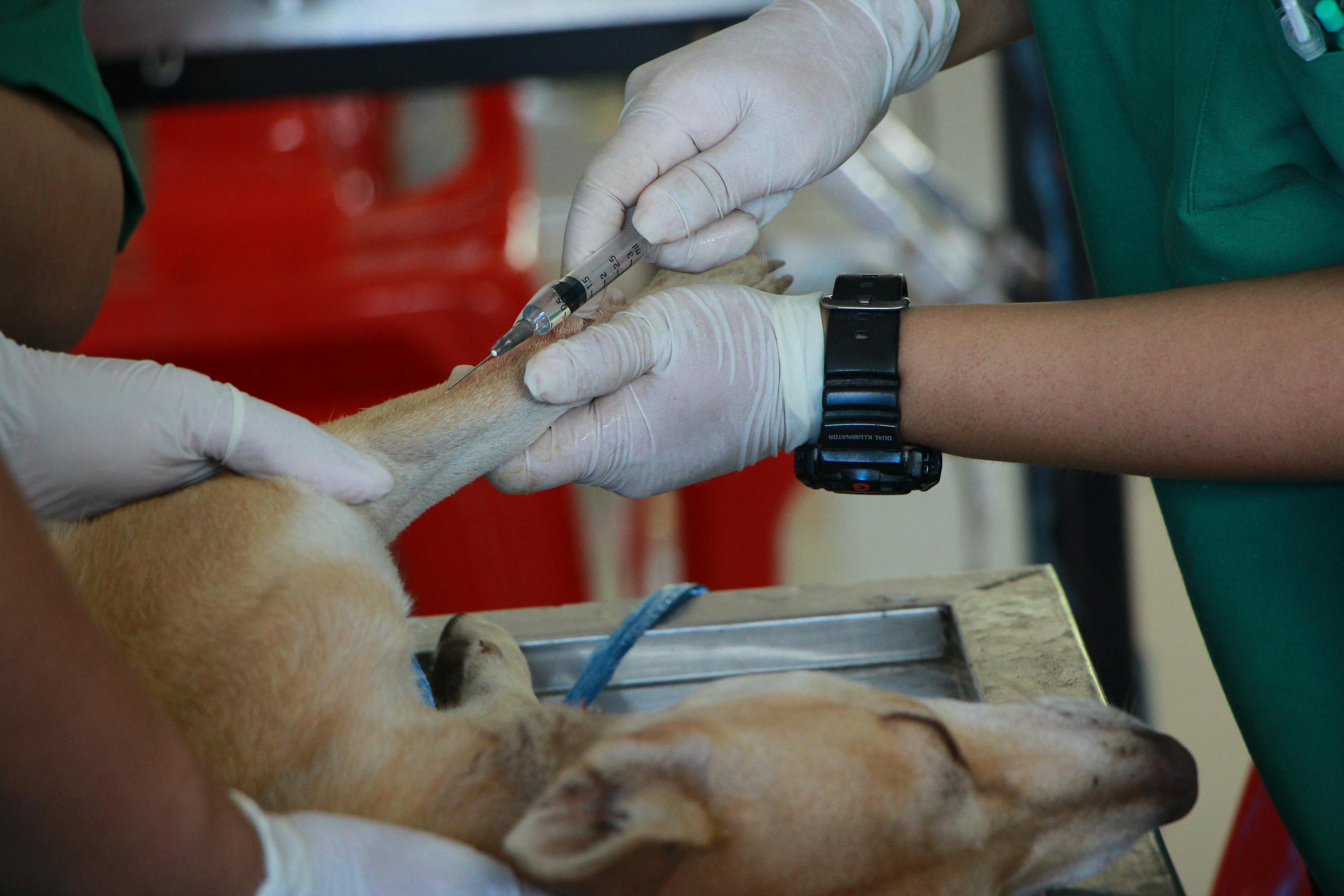
As a pet owner, you want to ensure your furry friend is happy and healthy. One of the most important ways to protect your pet from serious diseases is through vaccinations. These shots can prevent your pet from contracting illnesses that can be dangerous, costly, or even life-threatening.
Let’s break down the importance of vaccinations, the schedule your pet needs, and the diseases these vaccines can prevent.
Why Pet Vaccinations Matter
Vaccinations play a vital role in keeping pets safe and healthy. Just like humans, pets are susceptible to various infections and diseases. Some can be easily prevented with a simple vaccine, which can save both your pet’s life and your wallet. It’s far more cost-effective to vaccinate than to treat a pet for a preventable disease.
When you vaccinate your pet, you’re not just protecting them. You’re also helping curb the spread of certain diseases to other animals. Many vaccines help control outbreaks in local communities and reduce the overall risk of disease transmission.
Common Pet Vaccines & What They Prevent
Vaccinations help protect your pet from a wide range of diseases. Here are some of the most common vaccines and the diseases they prevent:
- Rabies: Rabies is a fatal viral disease that can affect both animals and humans. Rabies vaccinations are required by law in many places because the illness is transmitable through bites from infected animals.
- Distemper: This viral disease affects dogs and can cause severe respiratory, gastrointestinal, and neurological problems. It’s highly contagious and can be deadly if not treated promptly.
- Parvovirus: A highly contagious and potentially fatal virus that primarily affects puppies. It causes severe vomiting, diarrhea, and dehydration.
- Feline leukemia virus (FeLV): This virus affects cats and can cause immune system failure and cancer. It’s recommended for cats who go outdoors or live in multi-cat households.
- Bordetella (kennel cough): This vaccine protects dogs from a respiratory infection commonly spread in places like kennels, dog parks, and grooming facilities.
Vaccination Schedules for Your Pets
Each pet’s vaccination schedule will differ slightly depending on their age, health status, and lifestyle. Here’s a general idea of what vaccination schedules look like for dogs and cats:
For Puppies:
- 6–8 weeks: First round of vaccinations (distemper, parvovirus, etc.)
- 10–12 weeks: Second round of vaccines (distemper, parvovirus, etc.)
- 14–16 weeks: Third round of vaccines, including rabies
- Annual booster shots: These are typically needed to maintain immunity
For Kittens:
- 6–8 weeks: First round of vaccinations (feline distemper, calicivirus, rhinotracheitis)
- 10–12 weeks: Second round of vaccines
- 12–16 weeks: Third round of vaccines, including rabies
- Annual boosters: Just like with dogs, cats will need regular boosters to stay protected
For Adult Dogs and Cats:
- After the initial rounds of vaccines, pets will need booster shots to keep them protected. Your vet will typically recommend annual or triennial booster shots, depending on the specific vaccine and your pet’s lifestyle.
Factors to Consider:
- Indoor vs. outdoor pets: If your pet stays indoors most of the time, they may need fewer vaccines. However, if your pet goes outside or interacts with other animals, they will likely need more frequent vaccinations.
- Age and health: Older pets or pets with underlying health conditions may have specific vaccination needs that should be discussed with your vet.
Keeping Track of Your Pet’s Vaccinations
As a pet owner, it’s important to keep track of your pet’s vaccinations and ensure they’re up to date. Missing a vaccine or booster shot can leave your pet vulnerable to disease.
If you’re unsure about your pet’s vaccination schedule or need help getting started, don’t hesitate to reach out to MVS Animal Clinic. Our team of professionals can help you navigate your pet’s vaccination needs and ensure they stay healthy and protected.