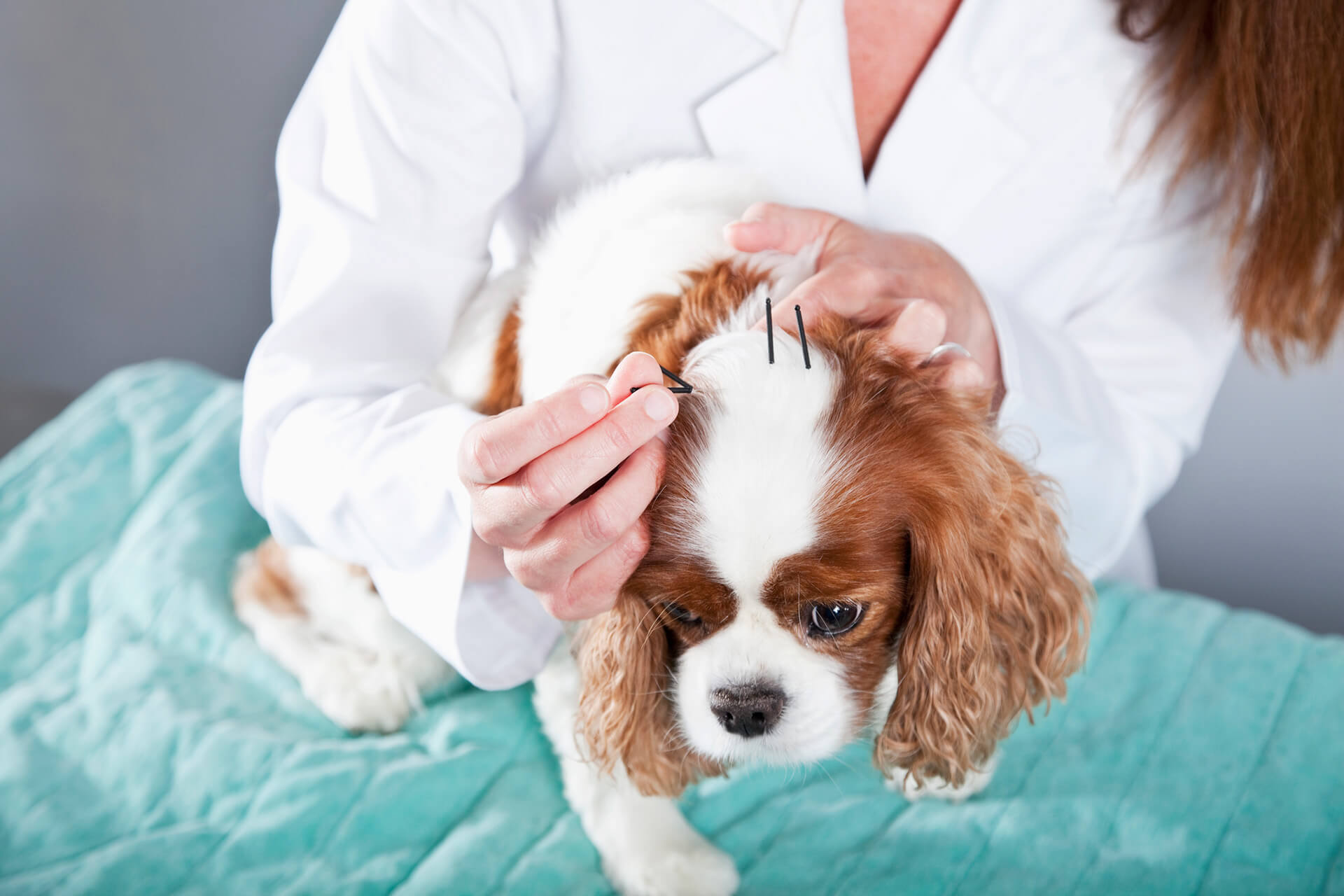
All you need to know about acupuncture for dogs
Through the centuries, acupuncture has persisted as a healing practice, and today, pet owners are increasingly considering it as an alternative approach for managing their dogs’ discomfort. Let’s explore the multifaceted advantages acupuncture holds for your cherished canine companion.
Originating in ancient China, acupuncture has traversed time, accumulating centuries of therapeutic use. This technique involves skillfully inserting needles into precise points on the body where neural clusters and blood vessels converge. By directing these needles along energetic pathways, circulation is bolstered, and hormonal release is triggered, aimed at restoring equilibrium within the body. As the popularity of acupuncture for dogs and cats continues to surge, an expanding cohort of pet parents is discovering its potential benefits.
The Benefits of Acupuncture for Dogs
- Pain Alleviation and Beyond: Acupuncture, used for pain management, is often employed in conjunction with conventional treatments. For instance, to ease the discomfort associated with rigorous medical interventions like chemotherapy, acupuncture is frequently integrated, enhancing your pet’s comfort while bolstering their ability to combat illness.
- Musculoskeletal problems: Dogs grappling with musculoskeletal issues like arthritis, hip dysplasia, or nerve injuries can experience relief through acupuncture. This approach is commonly incorporated during rehabilitation phases post-injury. Vigilant monitoring during recovery is crucial; as pain perception diminishes, the risk of re-injury due to excessive activity heightens.
- Dermatological Rejuvenation: Troublesome skin conditions such as allergic dermatitis, granulomas, or hot spots can be effectively addressed with acupuncture. The augmented circulation achieved by this technique accelerates healing, while curtailing excessive grooming or itching responses linked to pain.
- Gastrointestinal problems: Acupuncture can contribute to mitigating gastrointestinal issues such as nausea and diarrhea by enhancing blood flow. Furthermore, it may regulate digestive functions by stimulating secretions necessary for optimal digestive activity.
- Respiratory problems: Dogs grappling with respiratory ailments like asthma and allergies can experience respite through acupuncture’s anti-inflammatory and immune-calming capacities.
The Timeframe for Canine Acupuncture Efficacy
The period required for acupuncture to yield tangible results in dogs is contingent on various factors: the dog’s individual characteristics, the specific ailment under treatment, and its severity. Immediate relief might be observed after the first acupuncture session in some instances, while in others, several sessions would better show noticeable improvements.
Generally, practitioners recommend an initial sequence of 3 to 6 treatments, spanning approximately a week between each session, to gauge the therapy’s effectiveness. Throughout this phase, diligent monitoring by a veterinarian is imperative, enabling adjustments to the treatment regimen as warranted. Subsequently, for dogs exhibiting favorable responses to acupuncture, periodic maintenance treatments every 4 to 8 weeks might be suggested to manage chronic conditions and preempt symptom recurrence. Nonetheless, if limited response is witnessed even after several sessions, it’s plausible that acupuncture might not be the optimal solution for the specific ailment or dog.
Are dogs awake for acupuncture?
Yes, dogs typically remain awake and conscious during acupuncture sessions. This procedure involves the precise insertion of slender needles into designated points on the body to stimulate the healing process. While some dogs might experience slight discomfort during needle insertion, they generally tolerate the treatment without sedation or anesthesia. Certain dogs might even become soothed or drift into slumber during acupuncture, given its potential to induce relaxation and a sense of well-being. Nonetheless, the dog remains cognizant of its surroundings and remains responsive to both its handler and the administering veterinarian.
What does acupuncture treat in dogs?
Within the realm of veterinary care, dogs benefit from acupuncture’s versatility. For pain management for conditions like arthritis or spinal issues, acupuncture is an invaluable modality. Gastrointestinal woes such as vomiting, diarrhea, and constipation can also find relief through acupuncture’s multifaceted benefits. Respiratory challenges like asthma or persistent coughs, in conjunction with neurological disorders like seizures or spinal cord injuries, stand to benefit from acupuncture’s potential. The scope of acupuncture extends to encompass dermatological quandaries, exemplified by allergies or troublesome hot spots.
Collaborating closely with a veterinarian is pivotal in crafting a tailored treatment strategy for your dog. By synergizing alternative modalities like acupuncture with conventional medical approaches, you are enriching your dog’s quality of life, fostering both comfort and well-being.
At the MVS Animal Clinic we offer acupuncture services and our doctor Deborah Niedermiller is an expert in the area. Don’t hesitate to make an appointment and contact us to help your furry friends.