Managing Chronic Pain In Pets: Your Options Beyond Medication
When a pet you love hurts day after day, it affects your whole home. You may notice they move less, avoid stairs, or seem quieter than usual. The good news is that comfort is possible. With a thoughtful plan and gentle, holistic therapies, many pets regain ease in their daily routines. At MVS Animal Clinic, we combine traditional veterinary care with integrative treatments to help your pet feel better and stay active.
What pet pain management really means
Managing chronic pain in pets includes the ongoing process of identifying the source of pain, easing discomfort, and restoring function so your pet can enjoy daily life. It is not just about pills. While medications have an important place, a complete plan blends diagnostics, targeted therapies, lifestyle adjustments, and regular reassessment. We look at how your pet moves, eats, sleeps, and interacts with your family, then tailor care to their specific needs and sensitivities.
For many pets, the best results come from an integrative approach. We may pair acupuncture with therapeutic exercises, suggest simple changes at home, and use herbal support when appropriate. This stepwise plan often reduces the need for higher medication doses and supports long term comfort.
Injury pain versus chronic pain
Understanding the difference between short term injury pain and chronic pain in pets helps you choose the right care.
- Acute or injury related pain: This often appears suddenly after a sprain, a cut, surgery, or another clear event. Signs include sharp yelps, limping, or guarding an area. Treatment focuses on calming inflammation, protecting the injured tissue, and supporting safe healing over days to weeks.
- Chronic pain: This develops over time and is common with arthritis, hip or elbow dysplasia, spinal issues, or long standing soft tissue strain. The pain may fluctuate but rarely disappears on its own. You might see stiffness after rest, slower walks, reluctance to jump, mood changes, or house soiling in pets that avoid painful postures. Care focuses on steady, gentle relief and improving mobility over months and years.
Both types deserve prompt attention. Early support prevents compensation patterns that can make pain worse later.
How to tell if your pet is in pain
Pets communicate discomfort in subtle ways. Watch for:
- Changes in movement: Slower pace, stiffness after naps, shortened walks, or lagging on stairs.
- Posture shifts: Arched back, tucked tail, head low, or sitting off to one side.
- Grooming or touch sensitivity: Licking a joint or back, flinching, or avoiding being picked up.
- Behavior clues: Restlessness at night, withdrawing from play, clinginess, irritability, or new vocalizations.
- Appetite or bathroom changes: Eating less, accidents in the house, or straining.
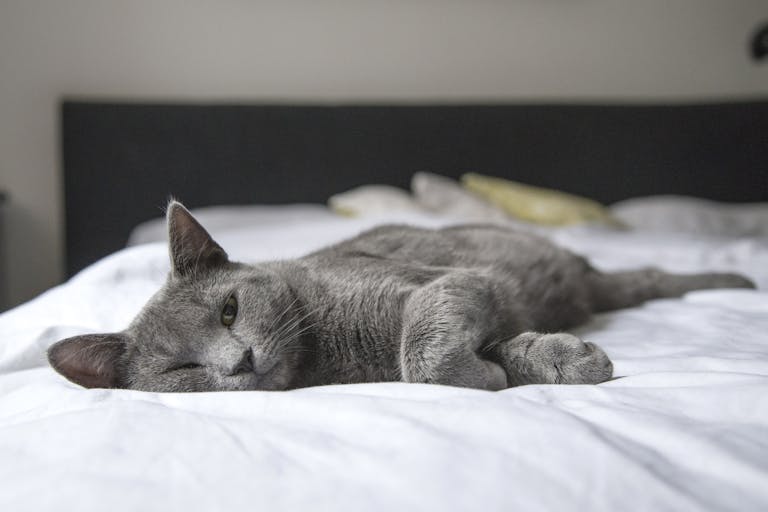
Cats often hide pain more than dogs. A cat that stops jumping to favorite spots, misses the litter box, or grooms less may be uncomfortable. If you notice any of these patterns for more than a few days, schedule an evaluation. Regular checkups, including annual physical examinations, help us catch slow building issues before they limit your pet’s joy.
Alternatives to medication that work
Many gentle therapies can ease pain and improve mobility. We often combine several for the best effect.
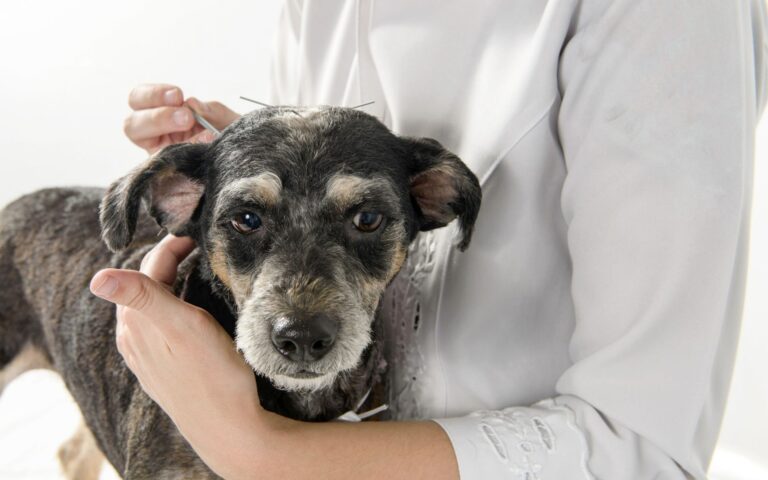
- Acupuncture: Fine, sterile needles stimulate specific points to reduce pain signals, relax tight muscles, and promote circulation. Most pets rest during sessions. Some show easier movement right away while others improve steadily over several visits.
- Herbal support: Veterinary herbal therapy can calm inflammation, support joint health, and complement conventional care. We select formulas for your pet’s condition and monitor closely for safety, especially if your pet takes other medications.
- Targeted exercise: Home exercises, controlled leash walks, and simple strength or flexibility routines protect joints and rebuild support muscles. We teach you how to do them safely and adjust the plan as your pet advances.
- Weight and nutrition: Even a small weight loss can reduce joint strain and discomfort. We guide you on calorie goals, feeding plans, and joint supportive nutrients such as omega 3 fatty acids.
- Home modifications: Non slip rugs on slick floors, ramps or steps for beds and cars, raised food bowls, and supportive orthopedic bedding make daily life easier.
- Heat, cold, and massage: Warmth relaxes stiff muscles, cold reduces acute swelling, and gentle massage improves comfort between visits.
- Environmental enrichment: Pain can reduce confidence. Soft play, puzzle feeders, and short, positive training sessions help your pet stay engaged without overexertion.
These options do not replace medical care. They enhance it. When used consistently, they can lower medication needs and extend your pet’s active years.
What role does acupuncture play in pet pain relief
Acupuncture is a cornerstone of our holistic pain plans. It can help with:
- Osteoarthritis and hip or elbow dysplasia
- Neck and back pain, including intervertebral disc disease in stable cases
- Post surgical recovery and muscle strain
- Nerve related discomfort and mobility issues
How it helps: Acupuncture triggers natural pain relieving chemicals, reduces local inflammation, and improves blood flow to tight or injured tissues. It also helps reset protective muscle guarding that restricts movement. Sessions usually last 20 to 40 minutes. Many pets relax so completely that they nap. A typical plan starts with weekly visits for several weeks, then tapers to maintenance as your pet stabilizes.
Safety: When performed by trained veterinarians, acupuncture is very safe. We review your pet’s medical history, perform a thorough exam, and choose points that match the diagnosis. We also coordinate with your existing medications and supplements.
If you would like to learn more about how we approach this therapy, explore our page on acupuncture for pets.
Building a personalized plan
Every pet is different. We begin with a careful evaluation, review X rays or lab work if needed, and set goals that match your pet’s lifestyle. Together, we outline a plan you can maintain at home. We schedule check ins to measure progress and adjust as needed.
You do not have to travel if leaving home is stressful. Our team offers mobile veterinary services for many treatments, including pain management and acupuncture. This brings expert care to your living room, keeps your pet calm, and lets us assess the home setup to suggest useful changes.
When medications are helpful
There are times when medications are appropriate and kind. Short courses can quiet a pain flare so that your pet can participate in exercise and acupuncture. In chronic cases, low dose medication may pair well with lifestyle changes for steady comfort. We discuss benefits and possible side effects, then monitor closely to keep your pet safe.
How MVS Animal Clinic supports your pet
We provide integrative pain management with compassion and clear communication. Our team evaluates the whole pet, not just a single joint or symptom. If you are near Deerfield Beach and looking for supportive options, our veterinarians in deerfield beach fl can help you plan the next steps that feel right for your family.
If you are ready to explore gentle options, schedule a visit with our team. We are here to make your pet comfortable and support you with clear guidance.