Signs That Your Dog Needs More Activity
Dogs, like humans, require frequent exercise. If your dog does not get enough exercise, he may gain weight, become bored or frustrated, or release pent-up energy in unwanted ways.
Keep in mind that each dog has unique requirements. According to Dr. Deborah Linder, director of the Tufts Obesity Clinic for Animals in Medford, Massachusetts, your dog’s age, breed, size, and health state will influence how much activity he requires. A developing puppy, for example, will normally require more activity than an older dog.
These are the top signs your dog isn’t getting enough exercise and other activities.
Weight Gain
One of the first symptoms that your pet needs more activity is weight gain. If you’ve observed your dog gaining weight, it may be time to increase his activity regimen. However, make certain that you are not overfeeding your dog.
Adding on weight combines activity and calories, so owners must account for both. An otherwise active pet can become overweight if the overall number of calories consumed daily is not monitored.
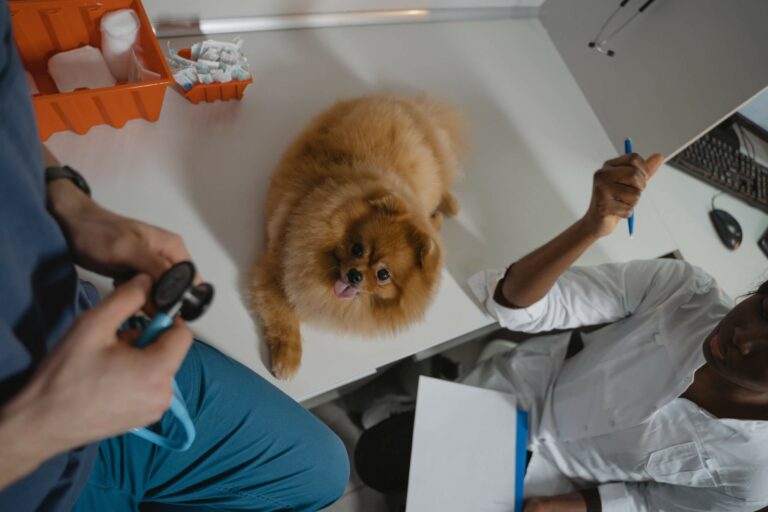
Speak with your veterinarian about developing your pet’s nutrition and exercise plan. You can assist your veterinarian by bringing a diet journal and a list of all the foods you feed your pet, including food, treats, table scraps and chews.
Destructive Behavior
If you notice your dog biting, gnawing, scratching, or destroying things around the house, or if they break their toys at record speed, it is most likely that he is attempting to release his stored energy. Of course, this is not only quite dangerous for them, as they could suffer a gastrointestinal obstruction or intoxication if they ingest the materials they’re chewing, but it’s also extremely costly for the owner due to vet costs and the cost of replacing the objects. So, if your dog exhibits destructive behavior, go the additional mile with him!
Hyperactivity
A hyperactive dog, by definition, has too much energy in its system. Your dog may not be used to going outside, or it may not spend enough time outside to burn all of its energy. When you take them out, you can tell if they’re continually rushing ahead of you or scrutinizing everything in your route. On the other hand, they could indulge in violent conduct indoors. Keep an eye out for chewed or ruined furniture, increased aggression, or urinating or excrement in the house. Exercise should help to reduce these habits, but if they persist, you should consult a veterinarian.
Barking
If your dog has a lot of energy, it’ll let you know when it’s time to go outside. Some dogs growl and whine to attract the attention of their owners. They’ll also indicate that they want to go for a walk by spinning in circles, grasping their leash, or clawing at the entrance.
Rough Playing
If you find your dog becoming agitated and acting more rough-and-tumble than usual, it may be that they require a little more action! Dogs are compelled to spend a lot of energy; if they can’t get it out through exercise, they have to find another way!
Pulling on the Leash
Does your dog tug on the leash despite being taught proper leash behavior? This could indicate that your dog needs more exercise—they may be tempted to move faster than you because they have surplus energy that needs to be used!
Getting Withdrawn
When pets are not given enough physical or mental stimulation, they may grow withdrawn. They refuse to interact with their owner. Maybe they’ll curl up and lay down in the corner.
Your once-social dog may be melancholy if he no longer hurries to the door in anticipation of a stroll or acts uninterested when you enter the room. Anxiety and pain are two more possible causes of withdrawal. If your dog is exhibiting indications of withdrawal, schedule a vet appointment to establish the cause and assist in returning your pet to his normal self.
Lack of Endurance or Stiffness
If your dog hasn’t gotten enough exercise in a while, he may have stiff muscles and limited stamina. Keep a watchful eye on your dog’s behavior, especially if these symptoms persist and do not resolve independently.
Pain can present itself in a variety of ways in dogs. These symptoms include immobility, aversion to going up and down stairs, and difficulties sleeping. If your dog is reluctant to exercise, consult with your veterinarian to establish the root problem and devise a plan to improve his activity levels again. Rest, pain medication or weight loss may be prescribed if your pet is suffering from a medical issue.
Conclusion
Once medical issues have been ruled out, the only solution for a listless and bored dog is to get them some exercise and possibly a playdate. A new setting that provides problem-solving and other enrichment opportunities can instantly change your pup’s sad look.
Exercise is an important element of keeping a dog healthy and happy. While human family members are frequently fatigued by the end of the day, a dog is eager to embark on an adventure. They require opportunities to expend extra energy to be the outstanding companion you know they can be: cerebral stimulation, social interaction, and frequent physical activity.